Empowering Lives: The Essential Guide to Cancer Care and Prevention
Navigating the journey through cancer can often feel like sailing through choppy waters without a map. As the medical landscape surrounding oncology evolves, it becomes crucial for patients and their families to equip themselves with comprehensive strategies for care and prevention. Whether it's the battle against a tumor, dealing with a malignancy, or simply understanding more about carcinoma and neoplasms, having a well-rounded knowledge base can empower you during these challenging times. Are you ready to take charge of your health and embrace the journey of cancer care?
Cancer prevention starts well before diagnosis. One of the best wellness tips is to adopt a lifestyle that mitigates risks associated with cancer. Regular exercise, a balanced diet rich in fruits and vegetables, and reducing alcohol intake are excellent practices. Additionally, staying informed about the latest cancer statistics can help you understand the significance of early detection and the efficacy of diverse treatment options. Take a moment to reflect: are you doing everything you can to be proactive in your health?
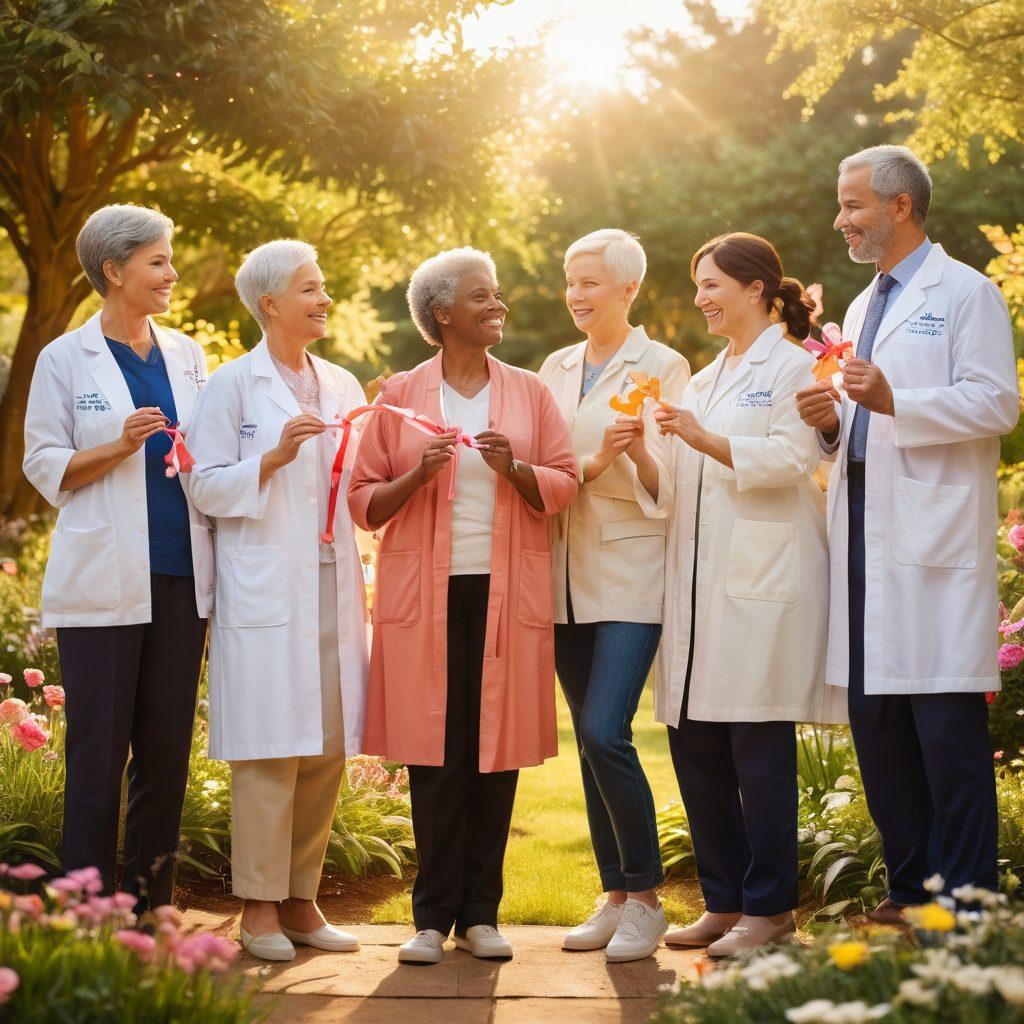
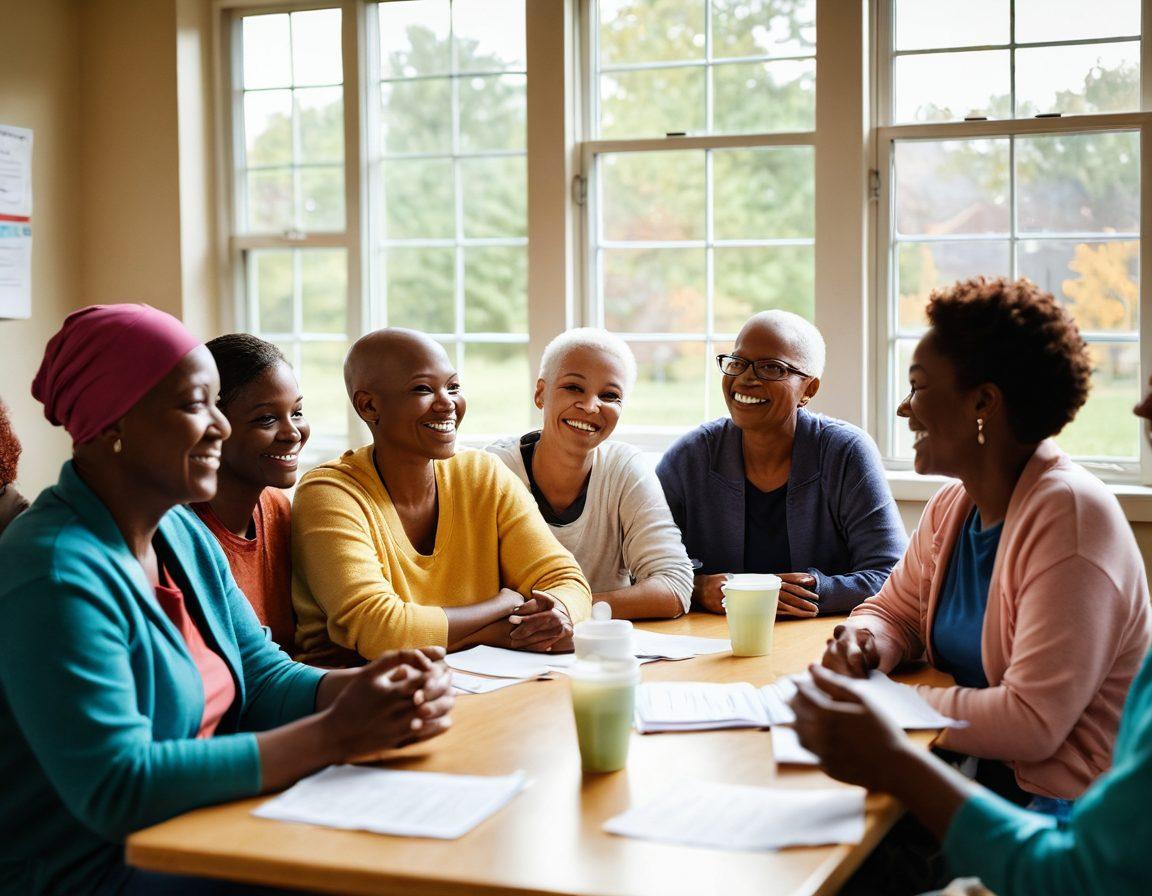
As you embark on this navigation, consider the importance of patient support. Cancer care involves not just the patient but their entire circle. Engaging with cancer support groups can provide emotional and psychological benefits that are often underestimated. Friends, family, and fellow survivors can offer insights that bolster one's spirit, creating a supportive network to counteract the psychological toll of the disease. What role does community play in your journey toward health?
Medical research into treatment options including immunotherapy, chemotherapy, and radiation therapy is progressing at a remarkable pace. Staying abreast of oncology news can keep you educated and prepared for conversations with healthcare providers. In addition, exploring clinical trials may open doors for cutting-edge treatments that enhance the chance of survivorship. How can being informed improve your decision-making during treatment?
Lastly, don’t overlook the significance of holistic health in cancer care. Nutritional approaches can play a pivotal role in recovery, not only aiding the body in fighting the disease but also improving overall quality of life. A healthy, nutritious diet can be a powerful ally against cancer, making it vital to understand the connection between nutrition and cancer. Moreover, psychosocial support cannot be ignored; mental health is just as crucial as physical health in the realm of cancer awareness. As you delve into health education, consider how you can contribute to cancer advocacy, fostering awareness, and supporting others in similar situations.
Empower Yourself: Essential Resources and Support for Cancer Patients
Empowering yourself in times of a cancer diagnosis can feel daunting, but understanding the resources and support available is the first step towards reclaiming your strength. Imagine standing at the edge of a vast ocean, waves crashing down with uncertainty—every fear amplifying your anxiety. Now, picture a lifeboat nearby, equipped with essential tools to navigate these tumultuous waters. Just as that lifeboat represents safety, comfort, and direction, the essential resources for cancer patients can provide you with guidance, knowledge, and solidarity during this challenging journey. Whether you are newly diagnosed or navigating survivorship, knowing how to access and leverage these resources is key to facing your illness head-on.
First and foremost, knowledge is power. Navigating the world of oncology can be overwhelming, but understanding the different types of tumors, malignancies, and treatment options can elevate your cancer awareness. For instance, did you know that there are over 100 different types of carcinoma? With varying treatment paths—such as chemotherapy, immunotherapy, and radiation therapy—being informed not only means knowing your options but also advocating for the care you deserve. Engaging with credible health information through health blogs, research publications, and trusted medical sites prepares you to ask the right questions during appointments and to actively participate in your treatment plan.
Patient support is pivotal in the cancer journey. This isn’t just a lonely road; there are countless stories of resilience and connection out there. Many patients lean on cancer support groups, where shared experiences provide comfort and solidarity. Have you considered reaching out to those who’ve walked a similar path? They can shed light on their journeys, share wellness tips, and perhaps even uncover insightful patient resources you never knew existed. The bond formed in these spaces often transcends mere friendship—it's a network of advocates ready to guide, uplift, and empower one another in the face of adversity.
Beyond the medical realm, a holistic approach to cancer care invites an understanding of how nutrition and mental wellness play a vital role in treatment and recovery. Have you thought about the impact of your diet on combating neoplasms? Experts suggest that certain foods can strengthen your immune system and bolster your body’s resilience against cancer. Pairing that knowledge with mindfulness, stress-management practices, and psychosocial support creates a strong foundation for healing. Seeking guidance from nutritionists who specialize in cancer recovery can offer tailored insight that aligns with your treatment options.
Lastly, engaging with the ever-evolving landscape of cancer treatment—whether through clinical trials or participation in research—allows you to be at the forefront of medical advancements. With cancer statistics reflecting the growing prevalence of this disease, your decision to get involved can drive change and improve survivorship outcomes for future patients. This is your chance to be a part of the larger dialogue in cancer care; as a patient, your voice matters deeply in cancer advocacy and disease awareness. The journey can be tough, but with support and resources, you can and will empower your own life.
From Awareness to Action: Effective Cancer Prevention and Treatment Insights
Cancer is a word that can evoke fear and uncertainty, but awareness is the first step towards empowerment. In the world of oncology, understanding your options for cancer care and prevention isn’t just valuable, it’s essential. Every year, millions face a malignancy diagnosis, so how do we transform awareness into actionable insights? This journey often begins with understanding the statistics: according to cancer statistics, approximately 1 in 3 individuals will be diagnosed with some form of cancer in their lifetime. Knowing this reality can inspire proactive measures towards personal health and wellbeing. So what can you do to ensure you’re not just a statistic, but an informed advocate for your health? Let’s explore the essentials of cancer prevention and treatment insights together.
The realm of cancer care is vast and often overwhelming. From the spectrum of neoplasm types like carcinomas to more complex options such as immunotherapy and chemotherapy, patients are faced with an array of treatment options. For individuals navigating these challenges, the question looms: how do you choose the best path forward? One common approach among health blogs and medical research is to recommend a comprehensive evaluation of all available patient resources. Whether it’s seeking out clinical trials, connecting with cancer support groups, or simply staying informed through oncology news, each decision you make is part of a bigger picture of survivorship and patient advocacy.
But it’s not just about options; it’s about holistic health. Nutrition and cancer have become hot topics as emerging research paints a clearer picture of how diet impacts treatment outcomes and recovery. A well-balanced diet can bolster strength, support immune function, and significantly improve one’s overall well-being during rigorous treatments like radiation therapy. What if you could empower yourself with nutritional knowledge to enhance your resilience against a tumor? By incorporating wellness tips into your daily routine, you can play an active role in your treatment and recovery journey.
Moreover, let’s not forget the importance of psychosocial support. The emotional toll of a cancer diagnosis cannot be understated. Patient support doesn’t only come from medical professionals but also from family, friends, and community initiatives. Disease awareness is amplified when we recognize the healing power of connection. Perhaps you have a story of resilience or a quote that inspires you during tough times; sharing those experiences encourages others who may feel isolated in their journey with malignancy.
In conclusion, each journey through cancer, whether as a patient or a caregiver, is unique. By taking action—be it through engaging in cancer awareness initiatives or participating in advocacy programs—you can create a ripple effect of education and support. Stay curious, stay proactive, and consider every resource at your disposal. After all, effective cancer prevention and treatment insights begin with you. So, what step will you take today towards empowering your health and those around you?